






Emotional Design Principles in Interactive Systems
 ACE. Atrium

Emotional Design Principles in Interactive Systems
Dynamic systems depend on emotional design principles to establish significant bonds between users and virtual products. Affective design changes functional systems into interactions that align with human sentiments and drives.
Emotional design principles guide the development of systems that initiate certain emotional responses. These principles aid creators plinko casino build environments that feel instinctive, credible, and engaging. The approach blends visual decisions, engagement structures, and messaging methods to influence user behavior.
How first impressions form emotional understanding
Initial perceptions form within milliseconds of meeting an engaging environment. Users make immediate evaluations about credibility, expertise, and worth based on first visual cues. These quick judgments establish whether visitors continue exploring or exit the interface immediately.
Visual structure establishes the basis for positive first perceptions. Obvious wayfinding, balanced arrangements, and deliberate spacing communicate structure and proficiency.
- Loading speed influences affective perception before individuals plinko bonus view material
- Uniform branding elements establish instant identification and credibility
- Clear value propositions address user inquiries within moments
- Accessible design shows consideration for different user requirements
Beneficial initial experiences establish positive bias that fosters discovery. Unfavorable first impressions require substantial exertion to reverse and typically end in lasting user attrition.
The role of visual design in producing emotional reactions
Visual design functions as the main medium for emotional communication in interactive systems. Colors, figures, and imagery trigger psychological reactions that affect user disposition and actions. Designers plinko select graphical components tactically to evoke certain sentiments coordinated with system objectives.
Color psychology performs a fundamental role in affective design. Warm colors generate enthusiasm and immediacy, while cold blues and greens foster calmness and trust. Brands employ uniform hue schemes to create identifiable emotional signatures. Typography decisions convey identity and mood beyond the written message. Serif fonts convey tradition and reliability, while sans-serif typefaces imply modernity. Font weight and size structure steer attention and generate cadence that affects reading comfort.
Imagery translates theoretical notions into concrete visual experiences. Photographs of individual faces stimulate compassion, while drawings offer versatility for brand representation.
How microinteractions affect user feelings
Microinteractions are tiny, practical motions and replies that take place during user plinko casino activities. These delicate design components provide input, direct actions, and produce instances of delight. Button movements, loading markers, and hover outcomes transform mechanical tasks into emotionally rewarding experiences. Response microinteractions comfort users that systems acknowledge their input. A button that changes shade when activated verifies action completion. Progress bars decrease worry during waiting periods by displaying process state.
Pleasing microinteractions contribute charm to functional components. A playful animation when completing a task honors user accomplishment. Seamless transitions between conditions generate graphical flow that feels organic and polished.
Duration and animation level determine microinteraction efficacy. Natural easing paths mimic physical world movement, generating familiar and pleasant experiences that feel reactive.
How feedback systems reinforce beneficial sentiments
Feedback loops generate patterns of action and reply that influence user behavior through emotional reinforcement. Dynamic environments utilize feedback mechanisms to acknowledge user efforts, celebrate successes, and encourage continued engagement. These systems convert separate actions into sustained connections built on beneficial experiences. Instant feedback in plinko bonus provides rapid gratification that motivates repeated conduct. A like indicator that updates in real-time rewards content producers with visible recognition. Rapid responses to user input generate fulfilling cause-and-effect associations that feel fulfilling.
Progress markers create obvious trajectories toward goals and honor incremental achievements. Finish percentages show individuals how near they are to completing assignments. Achievement emblems mark checkpoints and supply concrete confirmation of accomplishment. Collective response intensifies affective effect through collective approval. Comments, distributions, and replies from other users establish belonging and recognition. Cooperative capabilities generate collective emotional interactions that enhance platform connection and user commitment.
Why customization reinforces emotional involvement
Personalization creates unique encounters adapted to specific user preferences, patterns, and needs. Tailored material and systems render users feel identified and esteemed as people rather than anonymous guests. This awareness establishes affective connections that generic experiences cannot achieve.
Adaptive material presentation reacts to user interests and prior interactions. Suggestion algorithms suggest applicable products, posts, or connections based on browsing history. Personalized homepages display content coordinated with user preferences. These tailored experiences reduce intellectual demand and exhibit awareness of specific choices.
Tailoring alternatives empower users plinko casino to mold their own interactions. Theme selectors enable system changes for graphical convenience. Notification settings give control over communication rate. User control over individualization establishes possession sentiments that deepen affective commitment in systems.
Contextual customization adapts experiences to circumstantial variables beyond stored choices. Location-based recommendations offer spatially applicable data. Device-specific optimizations maintain stable quality across contexts. Intelligent adjustment demonstrates platforms predict requirements before individuals articulate them.
Acknowledgment components identify comeback individuals and recall their journey. Greeting notes incorporating names establish cordiality. Retained settings remove repetitive activities. These tiny gestures build into substantial emotional bonds over duration.
The influence of voice, communication, and messaging
Tone and language influence how users view platform character and beliefs. Vocabulary decisions and expression approach convey emotional perspectives that shape user sentiments. Uniform communication generates recognizable tone that builds comfort and confidence across all interactions.
Dialogue-based style personalizes digital interactions and decreases felt gap between individuals and platforms. Friendly language makes intricate processes feel manageable. Straightforward wording maintains comprehension for diverse groups. Mistake communications exhibit platform understanding during frustrating instances. Apologetic communication admits user trouble. Clear explanations aid users plinko understand issues. Helpful messaging during breakdowns changes negative encounters into chances for developing credibility.
Copy in buttons and tags guides actions while conveying identity. Action-oriented words promote engagement. Specific accounts reduce confusion. Every word adds to cumulative emotional perception that determines user relationship with system.
Affective triggers that propel user choices
Affective prompts are psychological mechanisms that motivate users to perform certain actions. Engaging environments tactically trigger these triggers to steer choice and promote intended behaviors. Comprehending emotional motivators helps designers create experiences that match user impulses with interface objectives.
Scarcity and pressure generate fear of missing possibilities. Limited-time offers motivate rapid action to avoid disappointment. Low supply markers indicate restricted availability. Countdown timers amplify stress to determine rapidly.
- Social proof validates judgments through group conduct and endorsements
- Reciprocity promotes behavior after getting no-cost value or helpful material plinko bonus
- Authority builds trust through specialist endorsements and credentials
- Interest motivates investigation through intriguing teasers and incomplete information
Accomplishment incentive triggers engagement through obstacles and prizes. Gamification features like credits and tiers satisfy competitive urges. Standing markers honor accomplishments openly. These systems change regular activities into emotionally gratifying experiences.
When affective design elevates interaction and when it diverts
Affective design elevates interaction when it assists user targets and reduces obstacles. Careful affective components guide attention, explain usability, and make exchanges more satisfying. Equilibrium between affective attraction and practical usefulness establishes whether design helps or impedes user success.
Fitting affective design aligns with context and user objective. Playful animations function effectively in amusement environments but divert in productivity applications. Matching emotional level to activity priority generates harmonious experiences.
Excessive affective design overwhelms users and obscures core usability. Too many animations slow down interactions and frustrate efficiency-focused users. Heavy visual styling increases intellectual burden and makes wayfinding challenging.
Accessibility suffers when affective design prioritizes visuals over practicality. Animation effects plinko casino provoke unease for some users. Low differentiation color schemes reduce clarity. Universal affective design addresses diverse requirements without sacrificing involvement.
How emotional principles shape extended user relationships
Affective principles create foundations for enduring bonds between individuals and engaging systems. Stable emotional interactions establish trust and loyalty that extend beyond isolated engagements. Prolonged engagement depends on ongoing affective contentment that evolves with user needs over duration.
Trust grows through dependable emotional sequences and anticipated encounters. Systems that reliably provide on affective promises create comfort and confidence. Open messaging during modifications preserves affective flow.
Affective commitment expands as users gather beneficial experiences and private background with systems. Retained preferences reflect duration committed in personalization. Communal relationships developed through platforms generate affective attachments that oppose moving to competitors.
Changing affective design modifies to shifting user associations. Onboarding experiences plinko emphasize discovery for beginning individuals. Established individuals receive efficiency-focused systems that honor their proficiency.
Emotional durability during problems determines connection survival. Understanding assistance during technological issues protects trust. Transparent expressions of regret exhibit responsibility. Recovery interactions that outperform expectations transform setbacks into loyalty-building chances.


Emotional Design Principles in Interactive Systems
Emotional Design Principles in Interacti […]

ACE. Atrium
更新日時 / 2026.04.02 13:29

忙しい日々を忘れ、 笑顔溢れる癒しのひとときを…
CLUB Rapha
更新日時 / 2026.03.14 22:30
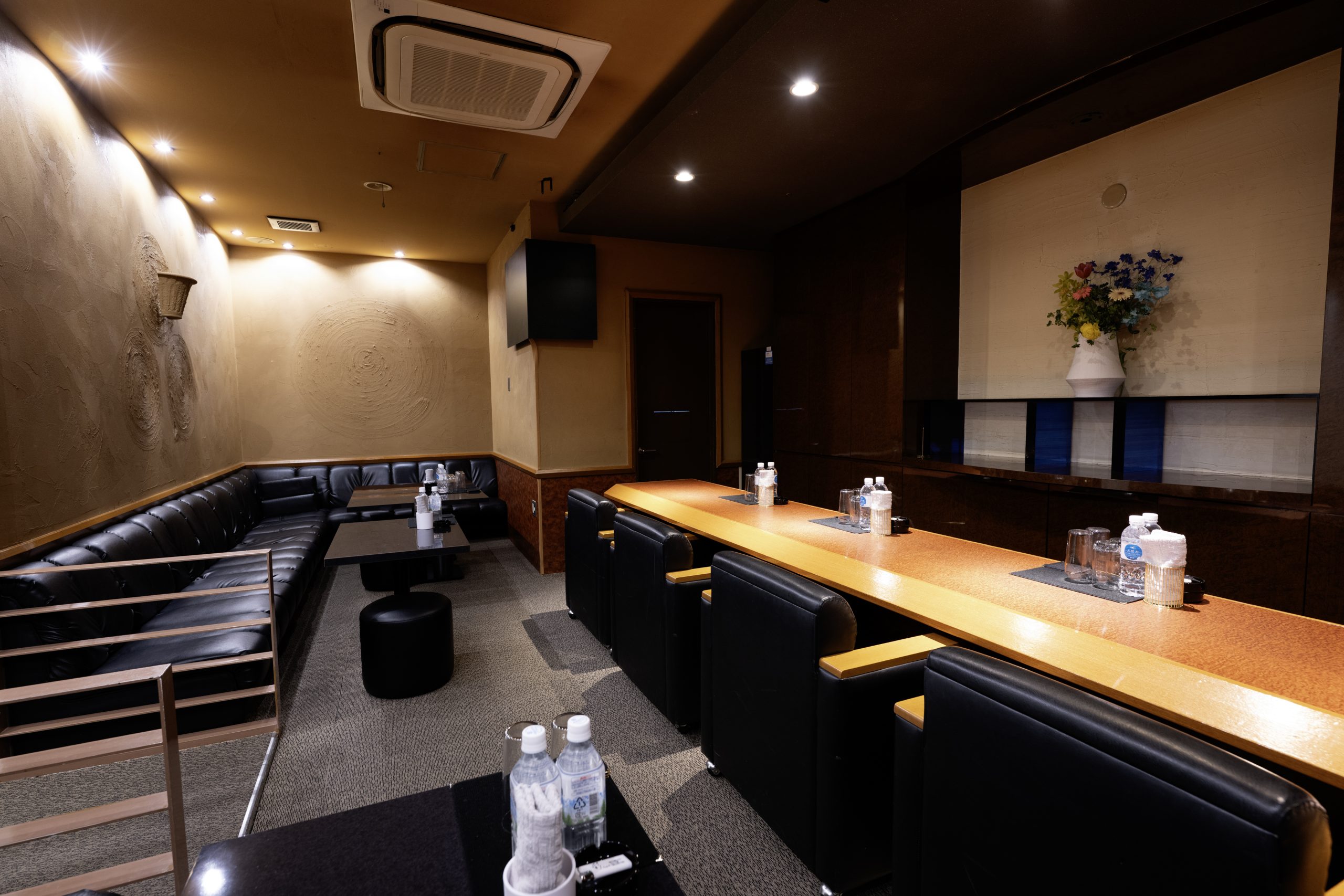
20~30代の女の子たちが 極上の笑顔でおもてなし。
彩 sayaka
更新日時 / 2026.03.14 22:29
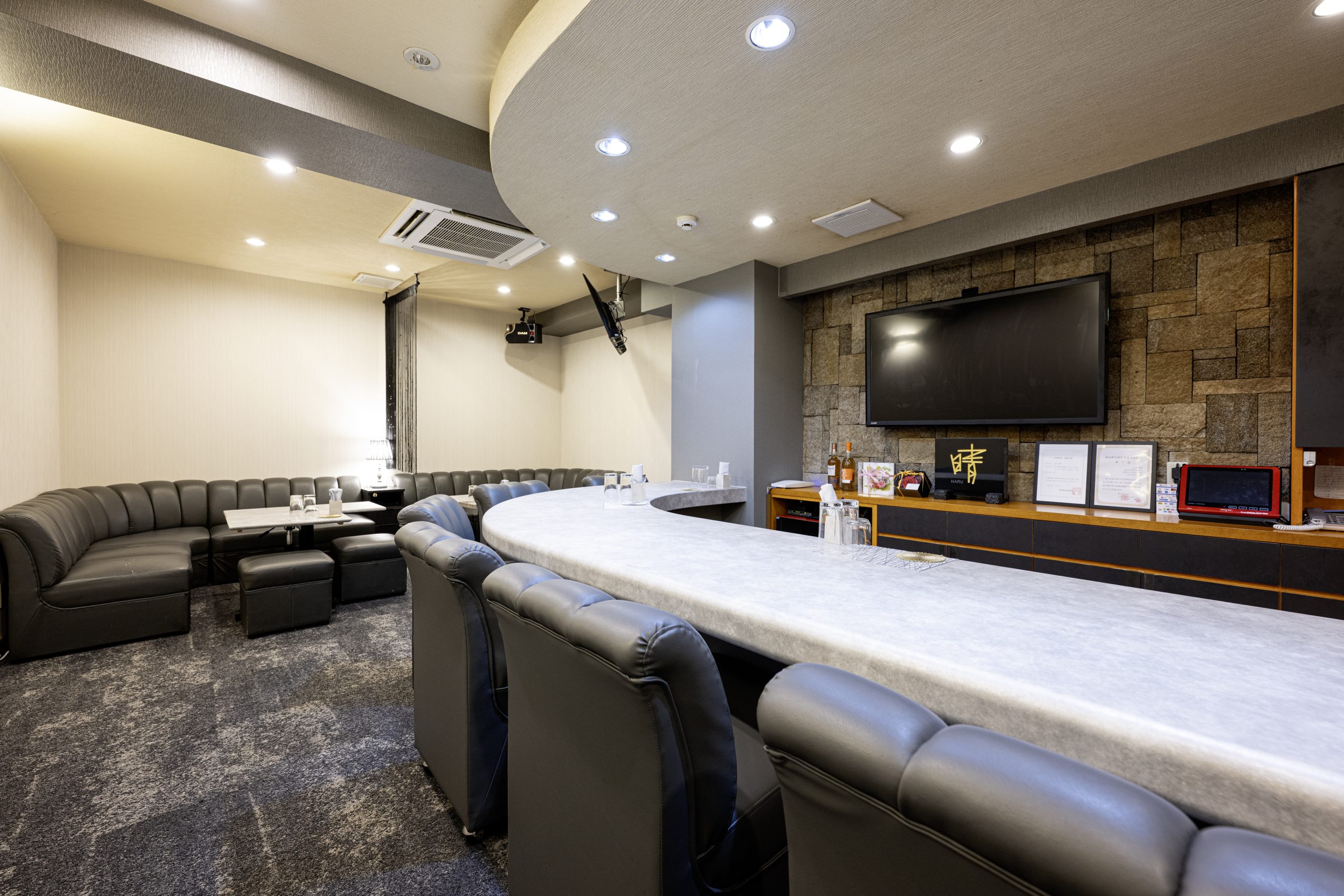
仕事で疲れた1日も、 来れば心「晴」れやかに!
ラウンジ 晴
更新日時 / 2026.03.14 22:27