






Affective Design Concepts in Dynamic Interfaces
 ACE. Atrium

Affective Design Concepts in Dynamic Interfaces
Engaging systems rely on affective design concepts to establish significant bonds between users and electronic solutions. Affective design transforms practical interfaces into interactions that connect with individual sentiments and impulses.
Emotional design concepts direct the formation of interfaces that activate particular emotional reactions. These principles aid creators casinomania bonus develop environments that feel natural, credible, and engaging. The strategy integrates aesthetic choices, engagement patterns, and messaging methods to influence user behavior.
How first perceptions mold affective understanding
Initial impressions emerge within milliseconds of meeting an engaging platform. Users make instant judgments about reliability, expertise, and worth founded on initial graphical cues. These rapid judgments decide whether visitors proceed browsing or leave the system instantly.
Visual structure establishes the foundation for favorable initial perceptions. Clear navigation, proportioned layouts, and purposeful whitespace communicate organization and capability.
- Loading rate affects affective awareness before individuals casinomania bonus see content
- Uniform branding elements establish instant recognition and credibility
- Clear worth propositions answer user inquiries within moments
- Universal design shows consideration for diverse user needs
Favorable first experiences establish positive inclination that fosters discovery. Negative first impressions demand significant effort to reverse and often end in lasting user attrition.
The function of visual design in generating emotional reactions
Graphical design functions as the main medium for affective communication in interactive systems. Colors, figures, and graphics prompt cognitive reactions that affect user disposition and behavior. Designers casino mania pick graphical features tactically to provoke specific emotions matched with interface goals.
Color psychology performs a basic part in affective design. Hot tones produce energy and urgency, while cold blues and greens encourage calmness and confidence. Brands utilize uniform color ranges to create recognizable emotional characteristics. Typography selections express identity and tone beyond the written content. Serif fonts communicate heritage and dependability, while sans-serif fonts suggest modernity. Font thickness and size structure guide focus and create rhythm that influences reading comfort.
Graphics transforms abstract notions into physical graphical interactions. Pictures of human faces activate empathy, while drawings offer flexibility for brand expression.
How microinteractions affect user sentiments
Microinteractions are small, functional animations and responses that occur during user casinomania behaviors. These nuanced design features deliver input, guide conduct, and produce instances of delight. Button animations, loading signals, and hover results change automatic tasks into emotionally rewarding experiences. Feedback microinteractions comfort users that systems recognize their input. A button that shifts shade when clicked confirms operation conclusion. Progress bars lessen tension during waiting periods by revealing operation state.
Enjoyable microinteractions bring character to operational components. A whimsical movement when concluding a task recognizes user accomplishment. Fluid shifts between states establish graphical continuity that feels intuitive and finished.
Pacing and motion level decide microinteraction efficacy. Intuitive easing curves replicate physical world motion, generating recognizable and pleasant experiences that feel responsive.
How response cycles amplify beneficial emotions
Response loops establish sequences of action and reply that form user conduct through affective strengthening. Engaging environments employ response mechanisms to recognize user inputs, recognize successes, and promote ongoing engagement. These loops transform individual behaviors into ongoing bonds built on beneficial interactions. Direct response in casinomania bonus provides immediate satisfaction that inspires recurring actions. A like counter that updates in real-time compensates content creators with visible appreciation. Quick replies to user data create satisfying cause-and-effect associations that feel gratifying.
Advancement signals set distinct trajectories toward goals and honor progressive successes. Finish percentages reveal users how close they are to finishing activities. Achievement emblems mark checkpoints and provide tangible evidence of success. Communal response amplifies emotional effect through collective approval. Comments, distributions, and responses from other users create membership and acknowledgment. Joint capabilities generate mutual affective experiences that reinforce platform connection and user commitment.
Why customization strengthens affective participation
Personalization produces unique interactions tailored to specific user choices, actions, and requirements. Tailored content and systems render users feel identified and appreciated as persons rather than nameless users. This recognition establishes emotional relationships that generic encounters cannot attain.
Adaptive content delivery reacts to user preferences and past interactions. Recommendation algorithms suggest relevant products, posts, or links based on browsing background. Personalized dashboards present data matched with user priorities. These customized interactions decrease mental burden and demonstrate understanding of specific choices.
Personalization options allow individuals casinomania to mold their own experiences. Theme controls permit interface adjustments for graphical ease. Message preferences give control over interaction rate. User authority over individualization establishes possession feelings that strengthen emotional investment in systems.
Contextual personalization modifies interactions to circumstantial factors beyond stored preferences. Location-based suggestions offer geographically applicable information. Device-specific improvements ensure consistent level across contexts. Smart adaptation demonstrates environments predict demands before users express them.
Identification components recognize repeat individuals and remember their path. Welcome notes employing names establish warmth. Saved preferences eliminate redundant operations. These minor acknowledgments build into substantial emotional ties over period.
The influence of voice, communication, and communication
Tone and communication influence how individuals perceive system identity and principles. Vocabulary decisions and expression style convey affective perspectives that influence user sentiments. Coherent communication establishes distinctive personality that builds comfort and credibility across all touchpoints.
Informal tone personalizes electronic engagements and lessens felt gap between individuals and environments. Warm communication causes intricate procedures feel accessible. Straightforward vocabulary guarantees accessibility for different viewers. Failure messages show platform understanding during frustrating moments. Contrite language recognizes user inconvenience. Clear descriptions assist users casino mania understand difficulties. Helpful communication during errors changes negative experiences into opportunities for establishing credibility.
Microcopy in buttons and tags directs conduct while expressing personality. Action-oriented verbs stimulate engagement. Detailed descriptions lessen uncertainty. Every word adds to aggregate affective sense that shapes user relationship with interface.
Affective prompts that propel user choices
Emotional triggers are cognitive processes that motivate individuals to take certain actions. Interactive environments strategically trigger these prompts to guide decision-making and promote desired behaviors. Grasping emotional drivers helps developers build interactions that coordinate user motivations with interface targets.
Scarcity and immediacy generate anxiety of losing possibilities. Limited-time deals trigger immediate response to avoid disappointment. Low stock signals signal limited access. Countdown clocks intensify urgency to decide rapidly.
- Collective validation supports judgments through group actions and endorsements
- Reciprocity encourages behavior after obtaining free worth or beneficial material casinomania bonus
- Expertise establishes credibility through specialist endorsements and credentials
- Interest drives discovery through fascinating teasers and incomplete data
Accomplishment drive activates engagement through obstacles and rewards. Gamification components like credits and stages meet contest-oriented instincts. Standing markers acknowledge accomplishments visibly. These systems transform regular tasks into affectively rewarding experiences.
When affective design improves encounter and when it diverts
Affective design enhances encounter when it supports user goals and minimizes resistance. Thoughtful affective features direct focus, explain usability, and render interactions more pleasant. Balance between affective appeal and applied utility establishes whether design aids or obstructs user success.
Fitting affective design corresponds with environment and user intent. Playful motions function successfully in entertainment platforms but distract in efficiency tools. Coordinating affective level to task importance generates harmonious interactions.
Extreme affective design burdens users and obscures core usability. Too many movements slow down engagements and frustrate efficiency-focused users. Dense graphical formatting increases intellectual burden and renders navigation hard.
Accessibility suffers when emotional design prioritizes appearance over practicality. Animation impacts casinomania provoke distress for some individuals. Weak contrast color combinations diminish readability. Inclusive affective design accounts for varied requirements without compromising involvement.
How affective guidelines influence long-term user associations
Emotional principles establish bases for sustained bonds between individuals and dynamic systems. Stable emotional interactions establish trust and devotion that reach beyond individual engagements. Long-term participation relies on sustained emotional contentment that evolves with user requirements over time.
Confidence forms through reliable emotional patterns and anticipated experiences. Systems that reliably deliver on emotional promises generate comfort and trust. Transparent messaging during transitions preserves emotional consistency.
Emotional commitment grows as individuals accumulate favorable interactions and personal background with environments. Stored preferences reflect time committed in tailoring. Communal bonds developed through platforms establish affective anchors that prevent moving to rivals.
Evolving emotional design adjusts to evolving user relationships. Orientation interactions casino mania highlight learning for new users. Seasoned individuals get efficiency-focused interfaces that honor their proficiency.
Emotional durability during difficulties decides connection survival. Empathetic help during technical problems protects trust. Honest apologies demonstrate ownership. Recovery experiences that surpass expectations transform setbacks into loyalty-building occasions.


Affective Design Concepts in Dynamic Interfaces
Affective Design Concepts in Dynamic Int […]

ACE. Atrium
更新日時 / 2026.03.30 12:09

忙しい日々を忘れ、 笑顔溢れる癒しのひとときを…
CLUB Rapha
更新日時 / 2026.03.14 22:30
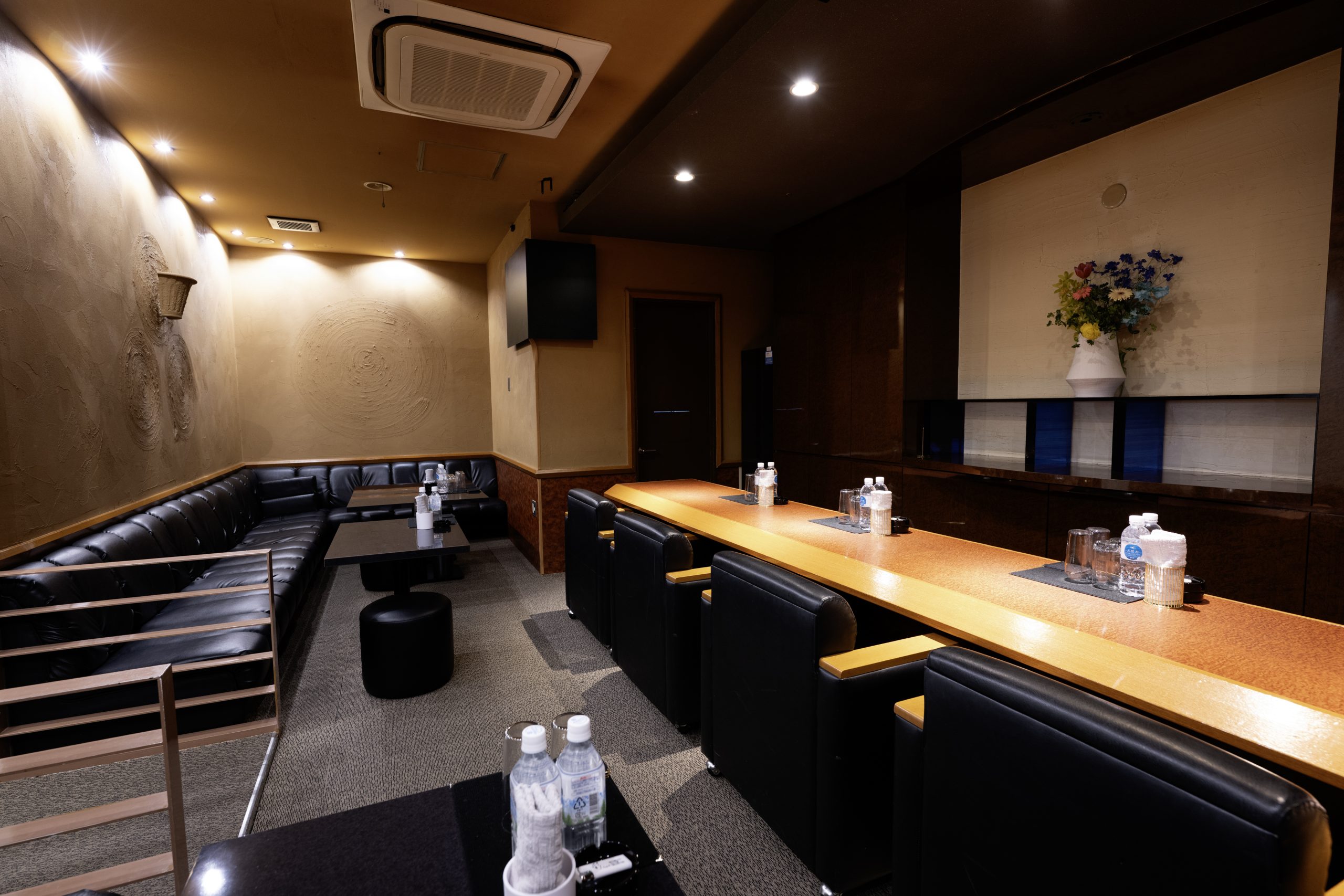
20~30代の女の子たちが 極上の笑顔でおもてなし。
彩 sayaka
更新日時 / 2026.03.14 22:29
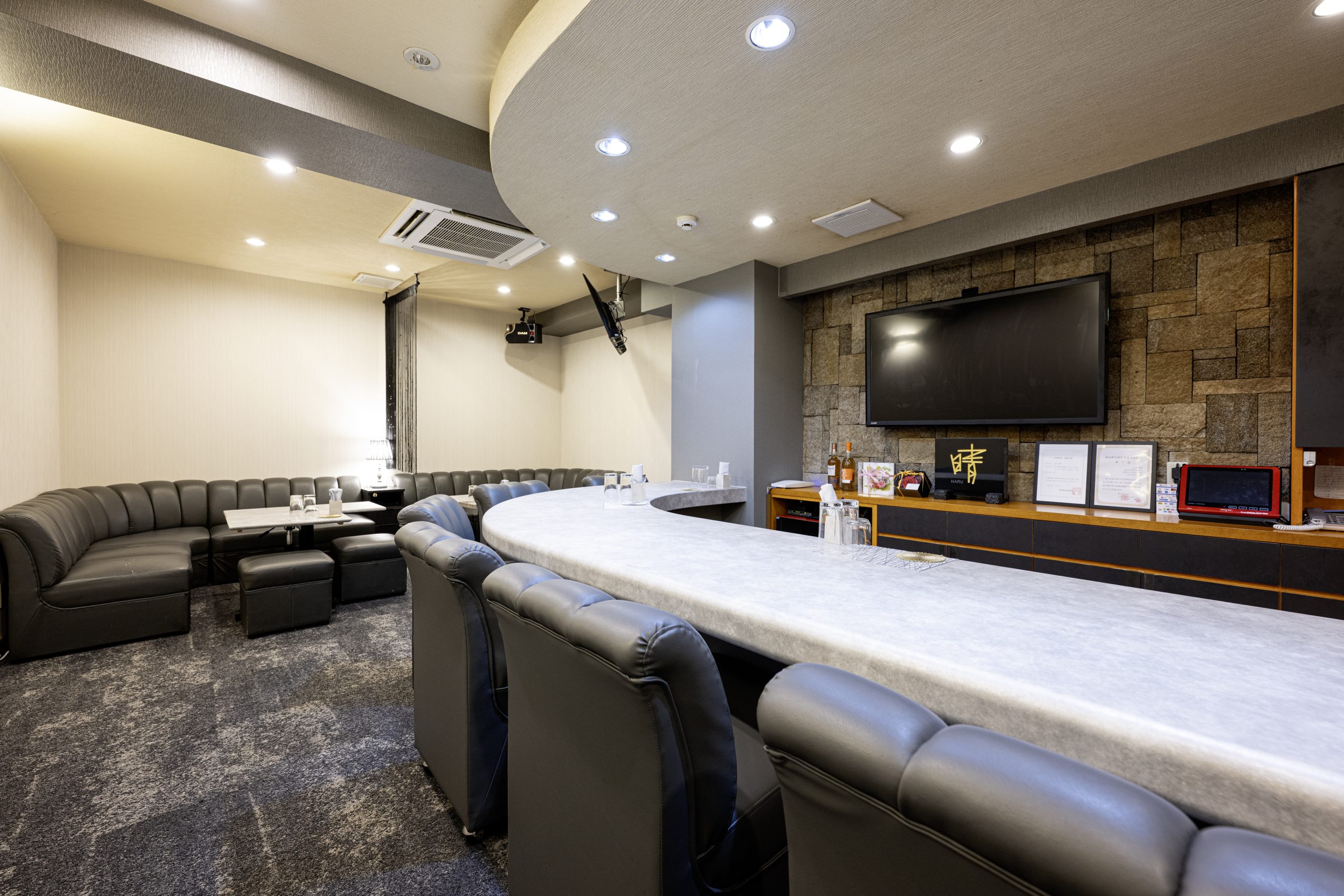
仕事で疲れた1日も、 来れば心「晴」れやかに!
ラウンジ 晴
更新日時 / 2026.03.14 22:27